
Understanding Common Electrical Conducting Materials
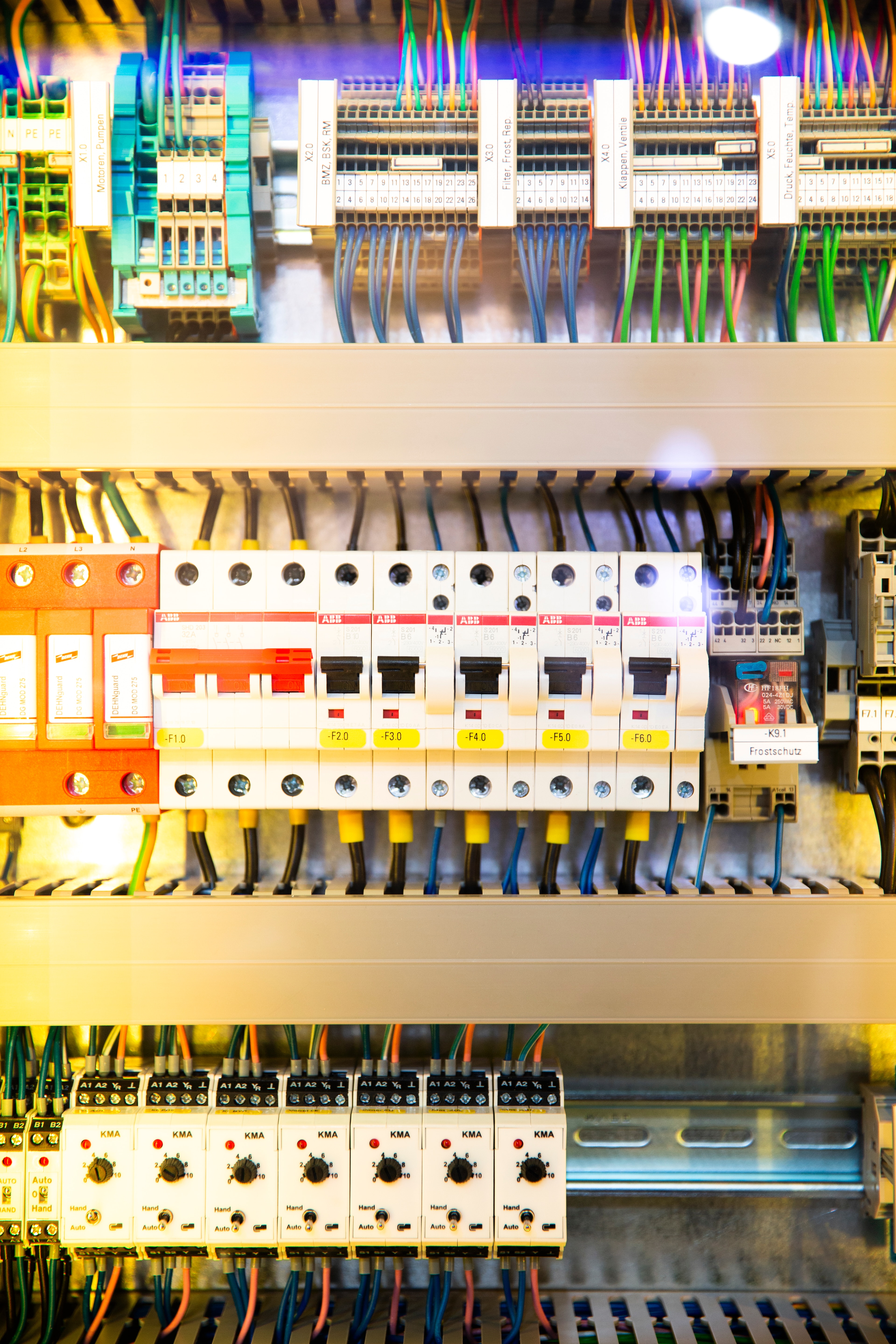
Understanding common electrical conducting materials involves grasping their properties and applications in electrical and electronic systems. Let's break down key points:
- Silver:
- Properties: Best conductor, expensive, soft, easily shaped.
- Applications: Used to plate contacts for good electrical contact.
- Copper:
- Properties: Very good conductor, soft, easily drawn into wires, easy to joint and solder, good conductor of heat.
- Applications: Extensively used in cables and busbars.
- Gold:
- Properties: Good conductor, does not corrode, expensive.
- Applications: Used for plating contacts.
- Aluminium:
- Properties: Good conductor, low cost and weight, soft, easily shaped.
- Applications: Used for larger cables and busbars, overhead cables with a steel core.
- Tungsten:
- Properties: Easily drawn into very fine wires, very high melting point.
- Applications: Used for lamp filaments.
- Brass (Copper-Zinc Alloy):
- Properties: Easily machined, resists corrosion.
- Applications: Used for cable glands, terminals, plug pins, conduit fittings, nuts, bolts, and washers.
- Steel:
- Properties: Reasonably easy to shape.
- Applications: Used for manufacturing conduit, trunking, trays, enclosures, and various fittings. May be galvanized.
- Tin:
- Properties: Resists corrosion.
- Applications: Used for manufacturing solder, coating of copper cables.
- Lead:
- Properties: Does not corrode, easily shaped.
- Applications: Used for manufacturing solder, sheaths of cables, and plates in lead-acid batteries.
- Mercury:
- Properties: Liquid at normal temperature
- Applications: Used in tilt switches.
- Nichrome:
- Properties: An alloy of nickel and chromium. Hard and resists corrosion.
- Applications: Used to manufacture heating elements.
- Carbon:
- Properties: Good conductor. Hard wearing, self-lubricating, negative temperature co-efficient of resistance.
- Applications: Brushes for electrical machines.
Understanding these materials involves recognizing their conductivity, malleability, cost, corrosion resistance, and specific applications. Engineers and designers select materials based on these properties to optimize the performance and reliability of electrical components and systems.
Ready to start? Register now or WhatsApp Denise.