
Want to Work Overseas? Countries, Jobs and Salaries for South African Red Seal Artisans
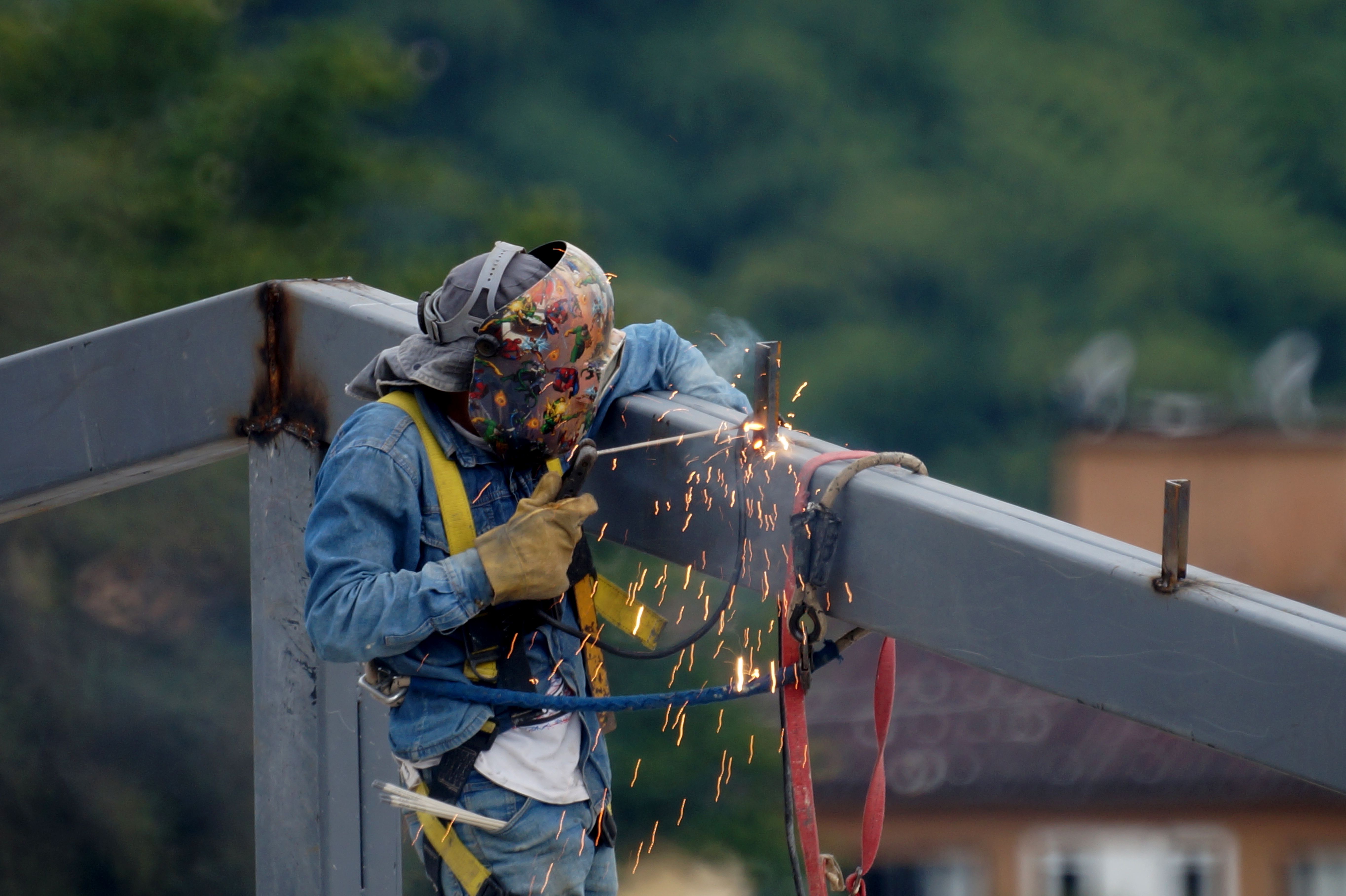
Thousands of South African plumbers, electricians and welders work overseas, and many of them started with one document: their Red Seal (the Section 26D Trade Certificate). If you dream of working abroad, here is what you need to know about which countries recognise South African artisans and what each one asks for.
Why the Red Seal matters overseas
Overseas employers and immigration authorities want proof that you are a qualified tradesperson, not only experienced. Your South African Trade Certificate is that proof. Without it, most skilled worker routes are very hard or impossible. With it, you can apply for a skills assessment in countries like Australia and New Zealand.
Important: no country accepts your Red Seal automatically. In most countries you go through a skills assessment or registration process, and some trades, like electrical and plumbing work, also need a local licence.
Australia
- How it works: Trades Recognition Australia (TRA) assesses whether your qualification and experience are comparable to the Australian trade qualification.
- Licensing: licensed trades such as electrical work also need a state licence after your skills assessment.
- Trades: electricians, plumbers and welders are among the trades that go through TRA.
Australia is often seen as the strongest option for South African tradespeople.
New Zealand
- How it works: your qualification can be assessed by NZQA, and regulated trades must register with the relevant board, such as the board for electrical workers or for plumbers.
- Good news: NZQA has assessed a South African Red Seal Trade Certificate as comparable to a New Zealand Level 4 Trade Certificate.
Canada
- Watch out: Canada has its own "Red Seal" programme, which is different from the South African Red Seal.
- How it works: you usually go through the province where you want to work, which may require a trade exam and local certification.
United Kingdom
The UK has skilled worker routes for some trades, but visa rules there change often. Check the latest official UK government rules before you plan your move.
Middle East (UAE, Saudi Arabia, Qatar)
Many Gulf employers recruit South African artisans directly. Here the employer usually arranges the work visa, and a recognised trade certificate makes you far more attractive than someone without papers.
Which trades are most in demand?
- Electricians: needed almost everywhere, but always need a local licence.
- Plumbers: in demand in Australia and New Zealand, with local registration or licensing.
- Welders: needed in construction, mining, oil and gas, and manufacturing worldwide.
How much can artisans earn overseas?
Pay depends on the country, the region, your experience and your licence. These are rough guides from 2025 and 2026 salary data, before tax:
Electrician salary in Australia
- Median: about A$113,900 a year, roughly A$57 an hour
- Entry level: around A$76,000 a year
- Senior electricians: up to about A$210,000 a year
- Minimum award rate: about A$31 an hour for a qualified electrician
Welder pay in Canada
- Hourly: about C$25 to C$38 an hour, depending on the province
- Highest paying provinces: Newfoundland and Labrador, and Alberta
Welder salary in the United Kingdom
- Yearly: about £30,700 to £37,900, depending on the region
- Highest paying regions: the North West, and Yorkshire and the Humber
Plumber pay in New Zealand
Plumbers in New Zealand usually earn a bit less than in Australia, but the cost of living is lower in many areas.
Middle East
Pay in the Gulf depends heavily on the employer and the package offered. Always compare the full package and get the offer in writing before you accept.
Remember: the highest pay goes to qualified, licensed artisans. A Red Seal is the first step to these salaries. Book your trade test preparation to get started.
What overseas employers look for
- A verified trade certificate: your Red Seal, verified by the QCTO
- Proven experience: service letters and references that show years of real work in your trade
- A positive skills assessment in the country, such as TRA in Australia
- A local licence or registration for electrical and plumbing work
- English: many visa routes ask for an English test
- Safety knowledge: employers expect you to work safely and follow site rules
Your checklist before you go overseas
- Get your Red Seal. Pass your trade test first. Our trade test preparation gets you ready.
- Verify your certificate. Have your Trade Certificate verified by the QCTO before you leave.
- Collect proof of experience. Service letters, payslips and references help with skills assessments.
- Apply for a skills assessment in your chosen country.
- Check the latest official rules. Visa and licensing rules change, so always use the official government website of the country.
No Red Seal yet?
If you have experience but no papers, read Experience but No Papers? How to Get Your Trade Certificate Through ARPL. If you are new to a trade, start with our plumbing, electrical or welding courses. And for the full process, see How to Get Your Red Seal in South Africa.
Beware of fake Red Seals
A fake certificate will be found out during verification overseas, and you can lose your money and your chance. A genuine Red Seal can only be earned by passing a trade test. Check our official contacts on our Report Fraud page.
Steps to prepare for working overseas
- Get your Red Seal first. Most overseas employers and skills bodies ask for a recognised trade certificate.
- Keep proof of your experience: service letters, references and photos of your work.
- Check the skills assessment and licensing rules for the country you want.
- Get your passport and police clearance ready early, as they can take time.
- Be careful of recruiters who ask for big upfront fees. Check them before you pay anything.
Frequently asked questions
Is the South African Red Seal recognised overseas?
It is the key document for overseas skills assessments, but no country accepts it automatically. You go through each country's assessment or registration process.
Is the South African Red Seal the same as the Canadian Red Seal?
No. They are two different programmes with the same name.
How much does an electrician earn in Australia?
The median is about A$113,900 a year before tax, roughly A$57 an hour, with entry-level pay around A$76,000.
Which country is best for South African artisans?
Australia and New Zealand are popular choices because they have clear skills assessment routes for tradespeople.
Can OAA help me get a job overseas?
We help you get the Red Seal that most overseas employers ask for. For visas and jobs, use the official immigration website of the country you want and trusted, registered recruiters.
For prices, call or WhatsApp Denise on 076 080 0535: chat to Denise on WhatsApp
Booked online? Your invoice is emailed to you straight away. If you can't find it, please check your spam or junk folder.
Start your journey overseas with OAA
Olifantsfontein Artisans Academy is an accredited training and trade test centre at 76 Major Street, CRC Building, Clayville East, Olifantsfontein, Gauteng, with a branch in Port Elizabeth. Financing is available.
- Denise: 076 080 0535 (chat to Denise on WhatsApp)
- Office: 081 723 9916 or 011 203 4030
- Email: oaasales@gmail.com
- Book your course online